Shopping Cart
No item in your cart!
RM0.00
View Cart



08 October 2001
Most materials questions aren't about getting a clean result — they're about not filling your workshop with toxic smoke. Here's what's safe, what needs caution, and what should never touch your laser.
Laser engravers don't care what you feed them — they'll happily fire into almost any material you place under the beam. The material itself decides what happens next: a clean cut, a melted mess, or a cloud of corrosive, carcinogenic gas. The difference isn't always obvious just by looking at something, which is exactly why "I didn't know" is the most common story behind a ruined lens, a corroded machine, or a bad afternoon of fumes.
This isn't a creativity guide — it's a safety chart first. Get the "avoid" list right, and the rest of your material choices get a lot easier.
At a glance
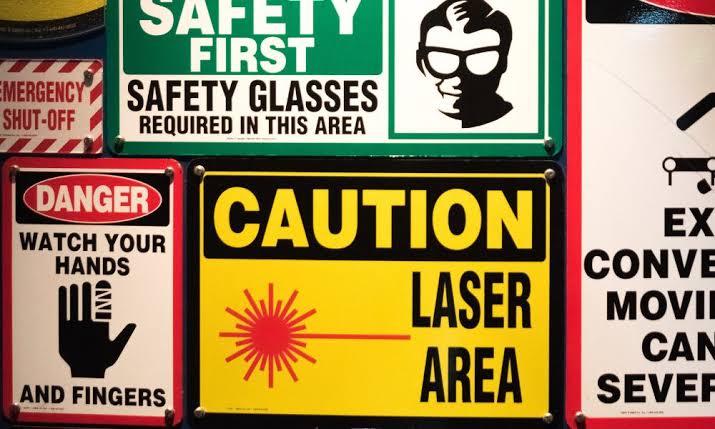
The one rule that matters most: never laser cut PVC or vinyl. It releases chlorine gas that forms hydrochloric acid on contact with moisture — corrosive to your lungs and to your machine's mirrors, lenses, and metal parts. If a material is labeled vinyl, PVC, or "chlorinated plastic," it doesn't go anywhere near the laser.
| Material | Verdict | Why |
|---|---|---|
| Wood / plywood | Safe | Clean burn, well-understood, widely used |
| Acrylic (PMMA) | Safe | Cuts cleanly, minimal fumes with ventilation |
| Leather (vegetable-tanned) | Safe | No fraying, manageable odor |
| Cardboard / paper | Safe | Fast, low fume output |
| MDF | Caution | Resin binders can release stronger fumes — ventilate well |
| HDPE / PP plastics | Caution | Melts and drips rather than cutting clean; fire risk |
| Painted / coated metal | Caution | Coating can release fumes depending on composition |
| PVC / vinyl | Never | Releases chlorine gas — toxic and corrosive to your machine |
| Polycarbonate | Never | Poor cut quality, fire-prone, releases harmful fumes |
| ABS | Never | Can release cyanide-related compounds when laser cut |
| Fiberglass / carbon fiber | Never | Toxic fumes plus airborne glass particulates |
| Chrome-tanned leather | Never | Releases toxic hexavalent chromium compounds |
| Foam board / polystyrene | Never | Melts, catches fire easily, toxic styrene fumes |
Not every "avoid" material is equally dangerous — here's a relative sense of risk level (5 dots = highest risk, 1 dot = lowest).
These are the everyday materials most laser projects are built on. They still deserve ventilation and common sense, but they don't carry the same hazard profile as the "avoid" list.
Includes
Still do this
These materials aren't automatically dangerous, but they behave unpredictably or release stronger fumes than the "safe" list. Always test a small offcut first and ventilate well.
Includes
Do this first
These aren't "use caution" materials — they're a hard no. The fumes are toxic, corrosive to your machine, or both, regardless of ventilation.
Includes
Why it matters
Rule of thumb: if you don't know exactly what a material is made of, don't put it under the laser until you do. "It looked like plastic" is how mirrors get corroded and lungs get exposed to things they shouldn't be.

27 March 2026
From stacked wood trees to engraved glass baubles and pet memorial keepsakes — ten holiday projects that go well beyond what you'll find at a shopping mall, plus the materials and settings each one actually needs.
Read More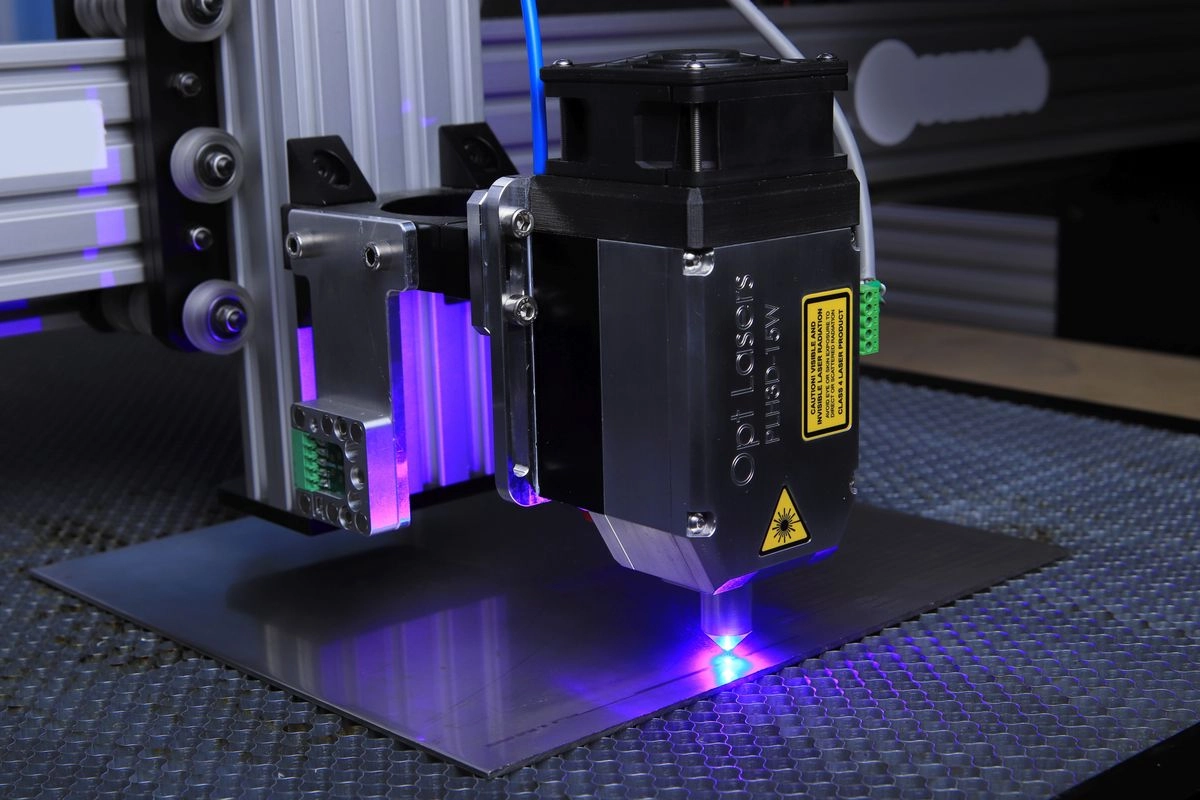
18 November 2021
Four laser types, four very different jobs. Here's how to pick the right one instead of the most expensive one.
Read More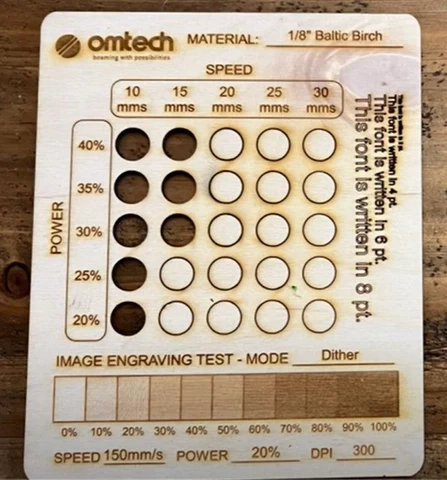
30 September 2011
Lorem ipsum dolor sit amet, consectetur adipiscing elit. Sed nec neque at justo viverra..
Read MoreTrusted Laser Engraving Services &
Machines in Malaysia
From choosing the right laser engraving machine to delivering customised engraving services, we support you every step of the way.
Enquire Now